
Consistency is crucial in branding. But how do you actually make it happen? That’s the job of brand guidelines. They act as your playbook, laying out exactly how your brand should be represented so there’s no guesswork.
In this article, we’ll dive into what are brand guidelines and why they’re the key to building a brand people trust and remember.
Table of Contents
- What are Brand Guidelines?
- Elements of Branding Guidelines
- How to Implement Branding Guidelines?
- Why Brand Identity Guidelines Matter?
Let's discuss these points in more detail...
What are Brand Guidelines?
Brand guidelines are a set of standards that define how your brand should be presented across different platforms. They act as a rulebook for maintaining a consistent brand identity.
As such, they cover everything from logo usage, color palette, and typography to tone of voice, imagery, and overall communication style.
Elements of Branding Guidelines
These are the core elements of a well-rounded brand guideline:
Mission & Vision
Why does your brand exist? What changes are you trying to make? A clear statement of your brand’s mission and vision will set the direction and communicate why your brand exists.
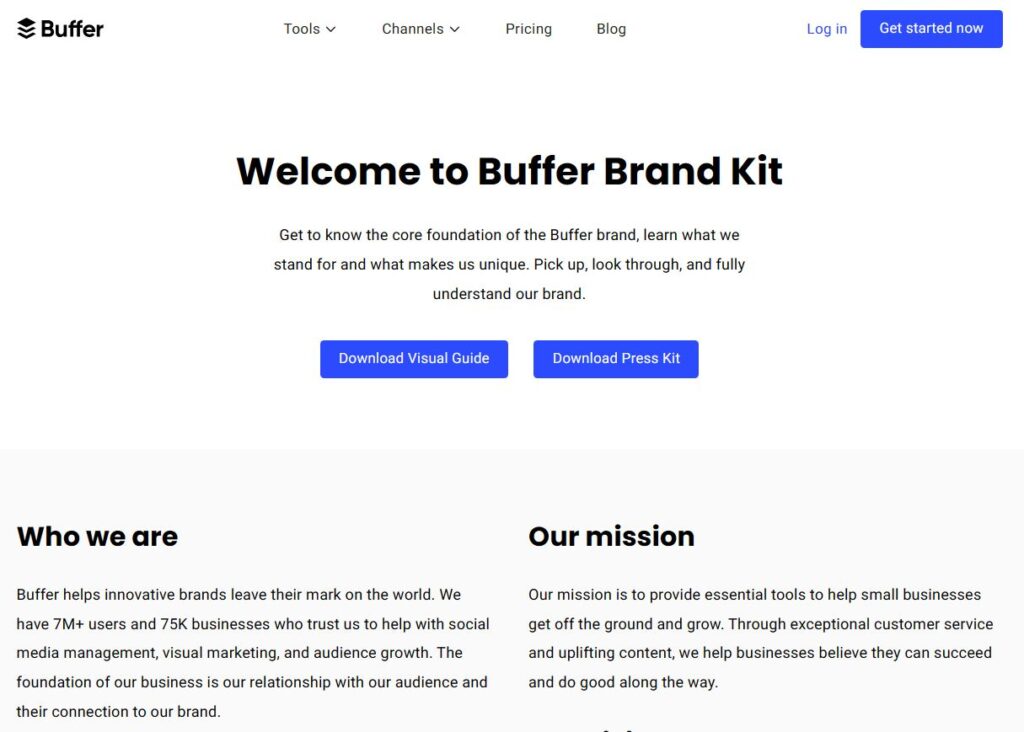
Core Values
What principles guide your actions and decisions? Including this part in the brand guide helps ensure that every choice in marketing, design, or customer interaction stays aligned with what your brand stands for.
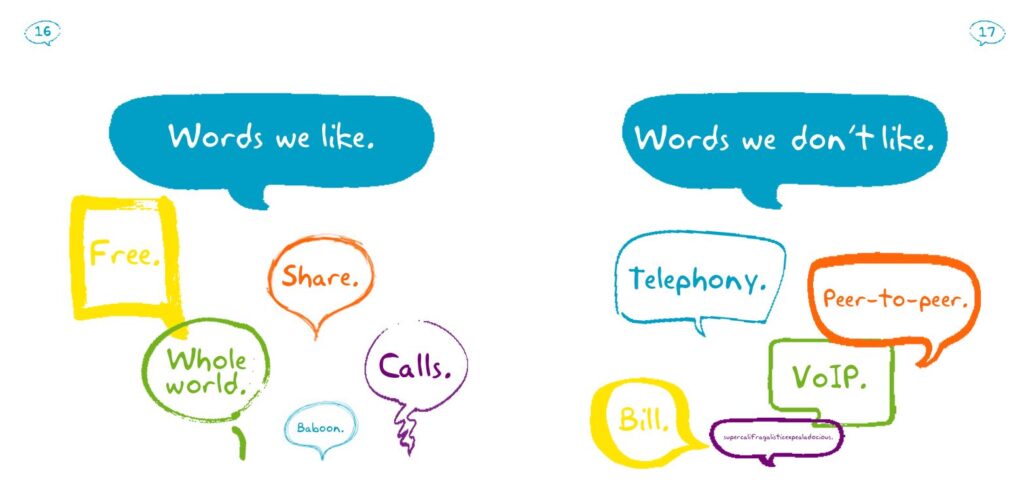
Voice
Friendly or conversational? Professional or authoritative? How does your brand speak to its audience?
Language
Include specific phrases, words, or expressions that define your brand’s style of communication and distinguish it from competitors.
Logo
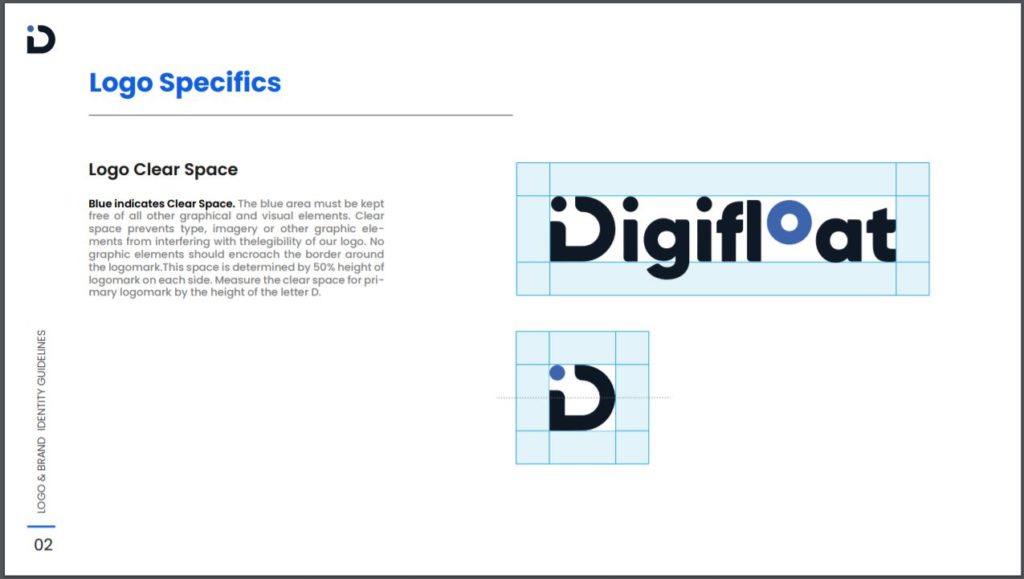
Include versions of your logo. It can be just an alphabet or a shape with full color, black and white, or maybe an icon, along with a set of rules for placement and background usage. You also need to clarify how not to use the logo so it’s never stretched, distorted, or recolored.
Color palette
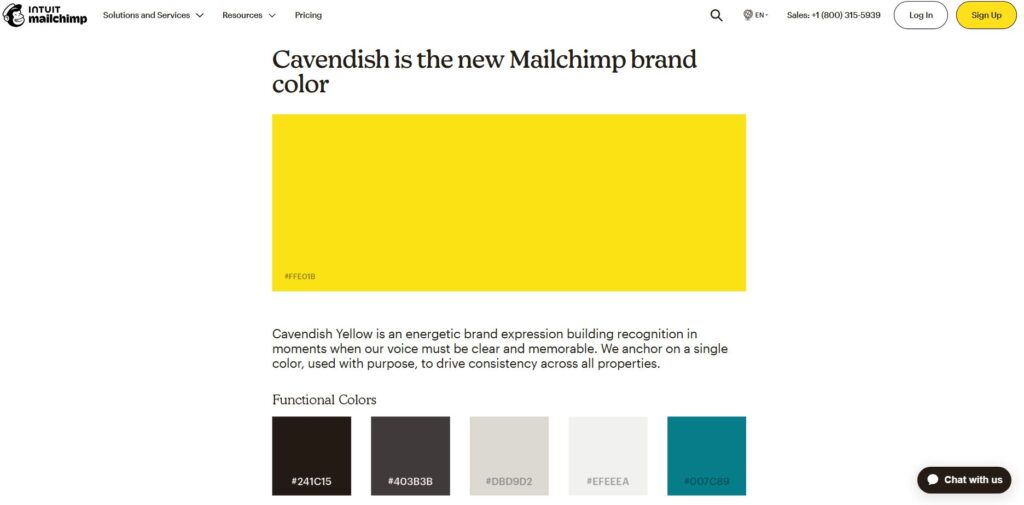
Mention primary and secondary brand colors with precise codes (HEX, RGB, CMYK).
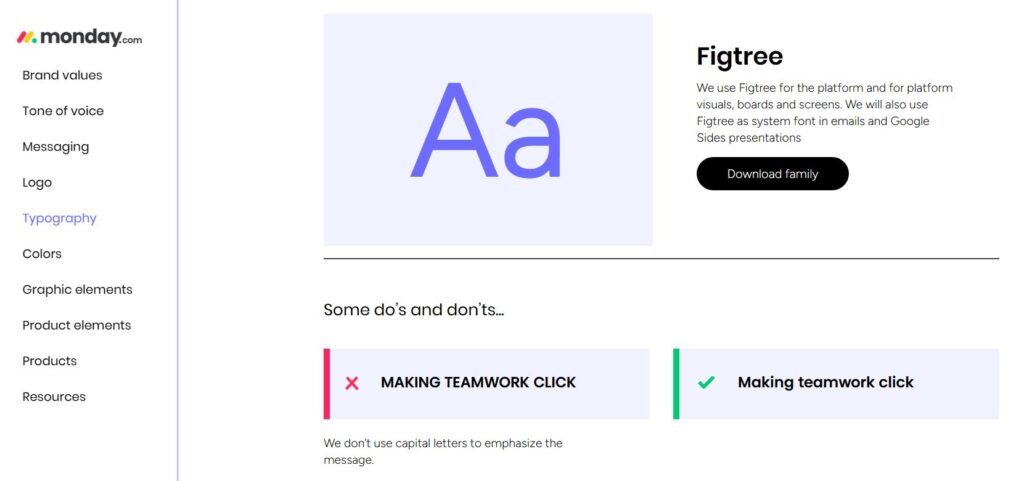
Typography
Define brand fonts for headings, subheadings, and body text. Include details on font style, size, and line spacing with examples.
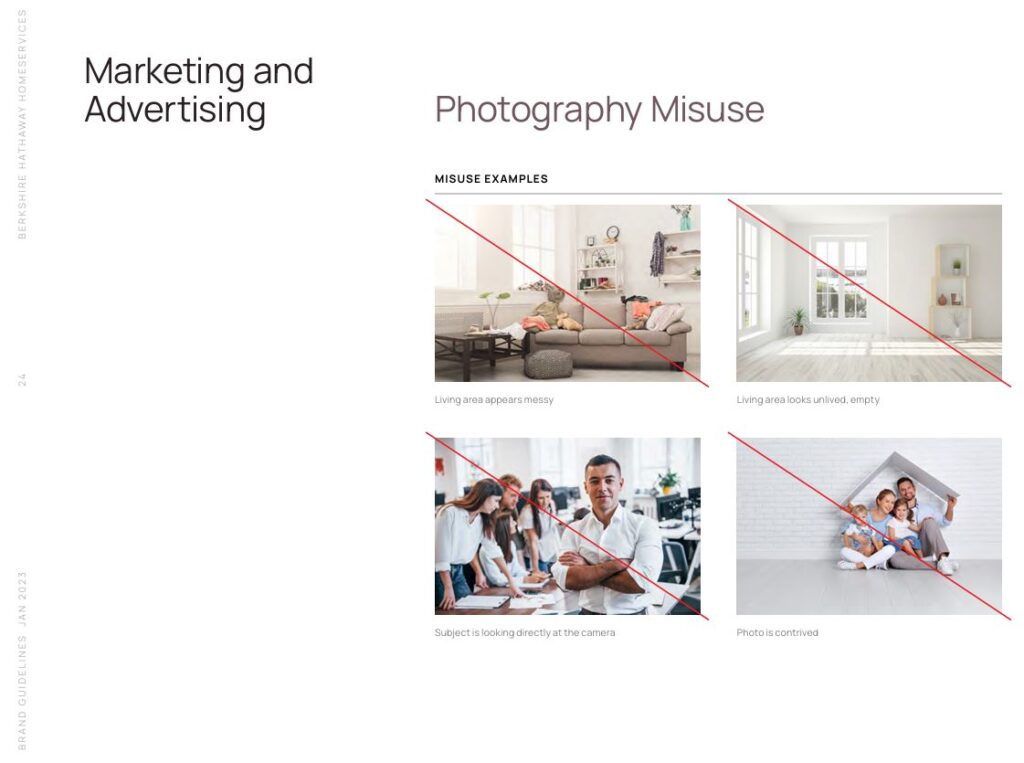
Imagery
Describe the preferred image or illustration styles. These can be bold and vibrant or soft and minimalist. Just be specific about the type of visuals, design, and lighting so creators know exactly what aligns with your brand’s look and feel.
Templates
This section is great if you want to provide ready-to-use layouts for presentations, social media posts, business cards, and other branded materials.
How to Implement Branding Guidelines?
Understanding what are brand guidelines is just the beginning; it's the consistent execution that builds trust and reinforces your brand identity. Here are the specifications you need to conform to for its implementation:
1. Educate
Make sure everyone involved in content creation – from marketing teams and designers to freelancers – understands the importance of brand consistency. You should also try to go beyond just sharing a document. For example, try to host workshops or Q&A sessions to walk your team through the guidelines and show how to apply them in real projects.
2. Keep It Accessible
Don’t let your brand guidelines live in someone’s inbox. Store everything in a centralized, easy-to-access location. You can use a brand management tool like Bynder or even Google Drive, so no one has to hunt for them.
3. Provide Tools & Templates
Try to make it easy to stay on-brand by creating ready-to-use templates. You can even upload them to the tools your team already uses – for example, we’ve uploaded everything on Canva – so they’re always accessible.
4. Audit
Regularly review your website, social media channels, marketing materials, and even your internal documents to ensure they align with current guidelines.
5. Gather Feedback
Collect feedback from your team about what’s working and what’s not. Are certain sections confusing? Are there gaps in the guidelines? Use this input to refine, improve, and expand your brand guidelines so they stay practical and relevant.
Why Brand Identity Guidelines Matter?
Brand identity guidelines do more than just keep your visuals in check. Here’s why you absolutely need them:
1. Builds Trust
When your brand presents itself harmoniously, it evokes a sense of reliability. People trust products that look and sound familiar, and consistency reinforces that familiarity at every point.
2. Strengthens Brand Recognition
Think about iconic labels; you can often recognize them by a color, a shape, or a specific tone of voice. That’s the result of consistent branding, which only happens when brand identity guidelines are properly implemented.
3. Saves Time
These parameters eliminate guesswork. Your team will already know what to do, which in turn will improve their work efficiency.
4. Encourages Easy Collaboration
Clear branding guidelines also help collaborators, freelancers, and other agencies quickly understand how to represent your brand.
Summing up: What are Brand Guidelines?
Brand guidelines are a rulebook, but they’re also so much more! They are the backbone of your entire brand’s identity and a tool for consistency. You need to start by truly understanding what are brand guidelines and how to use them effectively. Then we can begin creating them with clarity and confidence.
This is where we’ll help you! Just sign up for our unlimited graphic design services, and we’ll create your entire brand guide with all the visual elements from scratch.




0 Comments