
Unfortunately, having a great product or service is no longer enough to stand out from the competition. You need to rely on creative branding strategies that capture attention and build lasting trust.
This article will introduce you to 9 such strategies with examples of how to apply them to your business.
9 Creative Branding Strategies
- Begin With Your Why
- Make Unique Visual Elements
- Empower Micro Stories from Customers
- Use of Art-Inspired Campaigns
- Include Surprises in the Product or Content
- Build Signature Sound Branding
- Generate an Online Quiz
- Bring Physical Spaces Online
- Consider Seasonal Rebranding
1. Begin With Your Why
Creativity without a purpose is just decoration. Every design, post, and word should reflect a reason rooted in your brand values and core messages.
For example, you’re a small sustainable fashion brand, so instead of just posting product photos, share behind-the-scenes videos that show how your product uses eco-friendly processes. This will make it clear to the audience that your brand promotes sustainability.
2. Make Unique Visual Elements
Your visual identity goes beyond just having a logo – it’s about creating elements that are instantly recognizable. For example, you can create a logo that’s a wordmark, a letterhead, a symbol, or even a thoughtful combination. But to make it truly stand out, consider adding unique touches like a mascot, hand-drawn illustrations, or customized patterns.
You can even reimagine your website navigation with micro animations, illustrated icons, or unique layouts. All these can add personality while keeping the user experience smooth.
3. Empower Micro Stories from Customers
Your brand doesn’t always have to do the talking. Let your customers share their thoughts by tagging your brand. You can post their micro stories as a separate section on your website and repost on social media platforms.
For example, retail brands like Patagonia use customer testimonials. They showcase the adventurous experiences of people wearing the company’s clothing and often include a photograph that captures these moments.

Source: Patagonia
4. Use of Art-Inspired Campaigns
Art has the power to evoke emotion and tell stories. This is exactly what your branding aims to do. Using art-inspired campaigns in your branding strategy helps you connect with your audience through beauty, depth, and originality.
For example, if you own a coffee shop, you can introduce murals in your limited-edition cups. A handmade soap brand can use Pop art in its packaging design and names.
Or
You can create your art theme just like Consuela (a lifestyle brand) does for its artistic handbags. They also embrace the role of local artist communities with their brand.
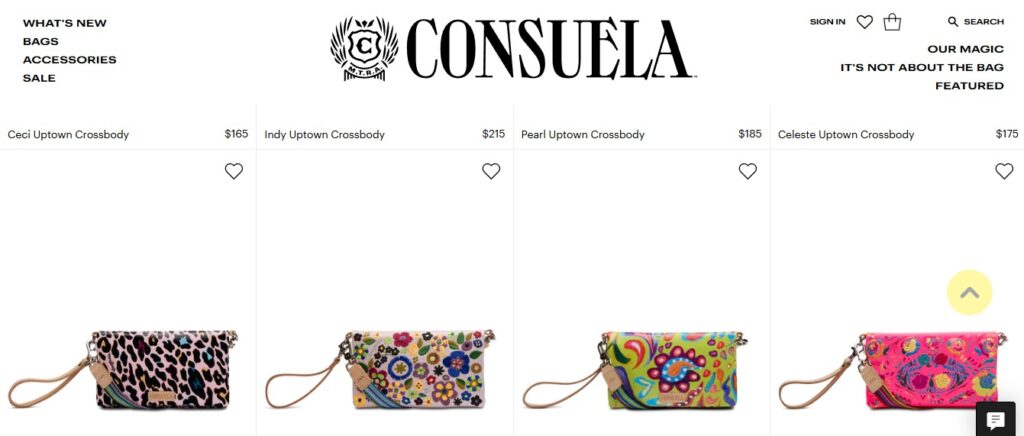
Source: Consuela
5. Include Surprises in the Product or Content
Everyone loves a good surprise. And you can use it in your creative branding, too. This can help turn first-time customers into loyal fans and create moments of delight that feel more personal and shareable.
You can gift them discount codes and coupons, or just send personalized email greetings on their birthday, anniversary, and some other special occasions.
6. Signature Sound Branding
Sound is often overlooked in branding, but it can have a big impact. When used consistently across all platforms, it strengthens your creative message. You can use it in your podcast, YouTube videos, apps, and websites. They’re distinct, fun, and unforgettable. DIY apps like BandLab and Soundtrap can help you create one.
For example, think of Netflix’s iconic ‘ta-dum’ sound or McDonald’s ‘I’m loving it’ jingle. Even without visuals, you can recognize the brand.
7. Generate an Online Quiz
Quizzes can be an excellent creative branding strategy. For example, a skincare brand might create a quiz like ‘What’s your skin type?’ A design agency could offer ‘What’s your brand’s creativity identity?' to give results that reflect your style, tone, and CTA to explore their services.
You can design a quiz that aligns with your brand voice and purpose. It will encourage interaction and collect useful insights from your audience.
8. Bring Physical Spaces Online
These days, the line of difference between physical and digital branding is diminishing. You can morph the creativity of your physical stores into your digital interface, too. It can be in the form of a digital store or a museum tour.
For example, Sephora has introduced a Virtual Artist for a quick makeover online. You just have to download the app to gain access. Lenskart offers a 3D virtual try-on feature that allows you to see how optical frames appear on your face.
But if you’ve a small budget, make use of social media platforms. You can give people online walkthroughs or a photo slideshow tour of your store, studio, or behind-the-scenes spaces and save them in your highlights or video content.
9. Consider Seasonal Rebranding
Your brand doesn’t have to be the same all year round. Occasional rebranding can work to stay creative, relevant, and engaging. It can be the season, a festival, or an awareness/cause campaign. But this doesn't mean a complete revamp. It just shows that your brand is in tune with the moment.
For example, Coca-Cola’s holiday branding uses snowflakes to evoke a nostalgic winter vibe. It keeps the brand's core identity intact.
Similarly, you can use campaign-based rebranding. Like Squarespace, a website-building and hosting platform, launched the #ActWithPride campaign. This campaign highlights inspiring stories from LGBTQIA and community members.
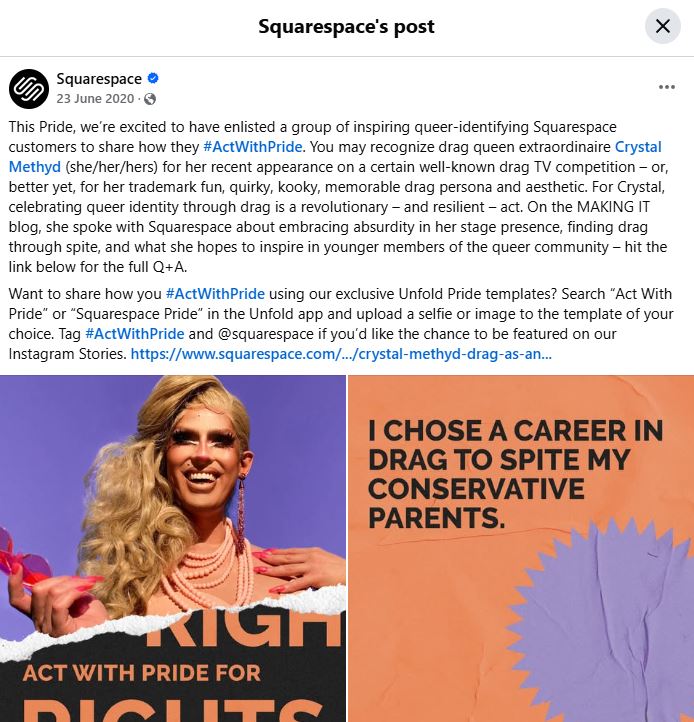
Source: Facebook
Common Pitfalls in Creative Branding
These are some of the common mistakes to watch out for so your unique ideas don’t fail:
Chasing Trends Without Purpose
Following current trends is valuable only if it does not dilute your brand identity. This can happen if you don’t align it with your brand values or message. For example, using a trending meme not in sync with your messaging will confuse your audience and make your brand unreachable.
So, choose purpose-driven creativity. This way, the trend will enhance your brand instead of defining it.
Inconsistent Creativity
Being creative doesn’t mean that you have to be random. If your brand is playful one day and minimal the next, your audience might not like it. There should be consistency even when you’re using your imagination.
It’s okay to experiment, but not if it compromises uniformity. To make it easy, you can create a branding guideline to avoid such mistakes.
Too Abstract at the Cost of Clarity
Being artistic is a plus point only if it doesn’t hinder what you’re offering. Brands sometimes focus too much on creative words, visuals, or stories. They forget to communicate clearly.
If your audience has to guess what your product is about, then they’ll likely move on. If you search for a laptop under 30k on Google and find a site that just explains what a laptop is, you'll probably move on to the next site.
So, it’s crucial that everything you share—like visuals and stories—clearly shows your brand's purpose. This way, your audience gets it right away.
Summing Up: Creative Branding Strategies
If done right, creative branding strategies can make your business unforgettable. Just make sure that while finding fresh ways to make your brand stand out, you stay true to what it represents.
The key is to keep experimenting consistently. Do you know a creative branding strategy that worked particularly well for you? Share it in the comments.




Loved how this article digs into creative branding with real strategies that stand out. Really helpful!