
New business owners tend to look at the bigger picture. Yes, you need a logo, a website, social media profiles, but what about marketing collateral? These items will help you promote your business and connect with potential customers.
Let me make things easier for you. I’ll show you different types of marketing collateral, their uses, and how to create them for your business. But first, let’s start with the basics.
Table of Contents
- What Is Marketing Collateral?
- Why Is Marketing Collateral Important?
- 15 Types of Marketing Collateral & How to Create Them
- How to Choose the Right Marketing Collateral for Your Business
You can use the table of contents above to navigate through the entire article.
What Is Marketing Collateral?
Marketing collateral is any material that showcases or promotes a business. These can be printed, such as brochures, business cards, and product catalogs, or digital, such as emails, presentations, and social media graphics.
There are many items that can come under this category. The exact types you need will depend on your business, what you're trying to promote, and how you plan to reach your audience.
For example, a new business might need business cards and brochures to introduce itself to potential customers. A retail store might use posters and flyers to announce a sale, while a SaaS brand could use ebooks to capture leads.
Why Is Marketing Collateral Important?
The purpose of marketing collateral isn't just to make your business look good. These are some of their biggest advantages:
1. Builds Brand Recognition
I truly believe that brand recognition should be a top priority for every new business. And one way to build it is through unique marketing collateral that people can easily associate with your brand.
2. Build Credibility and Trust
Marketing collateral shows that you're serious about your business and care about how you present it to potential customers. It builds a credible reputation that people trust and choose over and over again.
3. Communicate Important Information
A more practical use of marketing collateral is to convey important information. This is especially useful when you want to reach your audience in different places. For example, you can share a business card at networking events or distribute flyers in local communities.
4. Get Leads & Sales
Ultimately, everything we discussed above results in more leads and sales for your business. You attract new customers, build their confidence in your brand, and encourage them to take the next step toward a purchase.
15 Types of Marketing Collateral & How to Create Them
Now that you know why they matter, let's explore some marketing collateral examples you can create for your business. I've divided this section into subcategories to make things easier.
A. Print Marketing Collateral
Print collateral includes all the physical assets businesses use to promote their offerings. These are particularly useful when you want to reach people offline.
1. Business Cards
I always hear people say business cards are making a comeback, but I honestly never thought they went away. The idea of handing someone a tangible card, instead of asking them to look you up online, is still so much more personal and memorable.

It’s also quite easy to learn how to make a business card online. You just need to start by looking up business card examples and then find a design tool that offers unique templates. One thing I’ll tell you is to experiment with the size and shape. There’re standard business card sizes, but you shouldn’t be afraid to stand out.
2. Brochures
A brochure is simply a set of folded papers or a thin booklet that gives details about a product or service. The biggest advantage is that you can organize a considerable amount of information into a compact, easy-to-read format.
For example, they are particularly useful in healthcare graphic design. A clinic could use one to explain its treatments, introduce its specialists, and share crucial health instructions with patients.
The problem is that it can be relatively hard to learn how to make a brochure, but you can always use a free brochure creator to get started. I will also recommend looking at some brochure examples for inspiration.
3. Flyer
A flyer is a single sheet of paper used to advertise a product or service. I prefer using them to announce sales, promote events, or reach customers in a particular location. For example, if you're opening a new café, you could distribute them around the neighborhood to introduce your business.

You can also quickly create a flyer online using free flyer makers tool.
4. Posters
The difference between a flyer and a poster is that posters are usually designed to be displayed on walls or other surfaces. These are less intrusive, but that also means you need to use larger visuals and bolder text to grab attention from a distance.
I have seen people use them to promote events or spread awareness. But you can also use them to announce special offers, showcase new products, or promote your business locally.
If you need help getting started, check out our guide on how to make a poster that grabs attention.
5. Product Catalogs
Product catalogs help you display various products with their images, descriptions, specifications, and pricing. They're particularly useful for retail stores, wholesalers, manufacturers, and businesses with extensive inventories.
Keep in mind, it’s not just a tool to showcase what you’re selling. It also makes comparing options easier and helps customers make informed purchasing decisions.
6. Banners and Signage
Have you seen those big storefront signs around your local shops? These are also part of marketing collateral. Banners and signage help businesses attract attention and guide customers. You can use them outside your store or during local events to make your brand more visible.

7. Packaging Materials
Packaging is no longer just a way to protect what you sell. It’s also a marketing tool that can help your brand stand out from the crowd. In fact, businesses are going all out to invest in custom packaging with distinctive designs that create a memorable unboxing experience.
Want to see how? Check out these 15 creative packaging design ideas.
8. Promotional Stickers
Stickers are something you can get really creative with. You can make them a part of your packaging or hand them out at events. However, I’ll suggest designing them to complement what you sell.
For example, if you run a bookstore, you could use cute, book-themed sticker design ideas that readers can use to decorate their reading journal templates.
9. Letterhead
Every business needs a letterhead. It gives your official documents and proposals a more professional look. That’s why you need to keep them simpler and more polished.
To get started, you can check out my other guide on how to make a letterhead that looks professional.
10. Menu
Yes, it’s a bit niche, but this definitely deserves a mention. If you work in the restaurant industry, you’ll know a menu does more than list what you serve. It helps market your offerings and drive more orders.
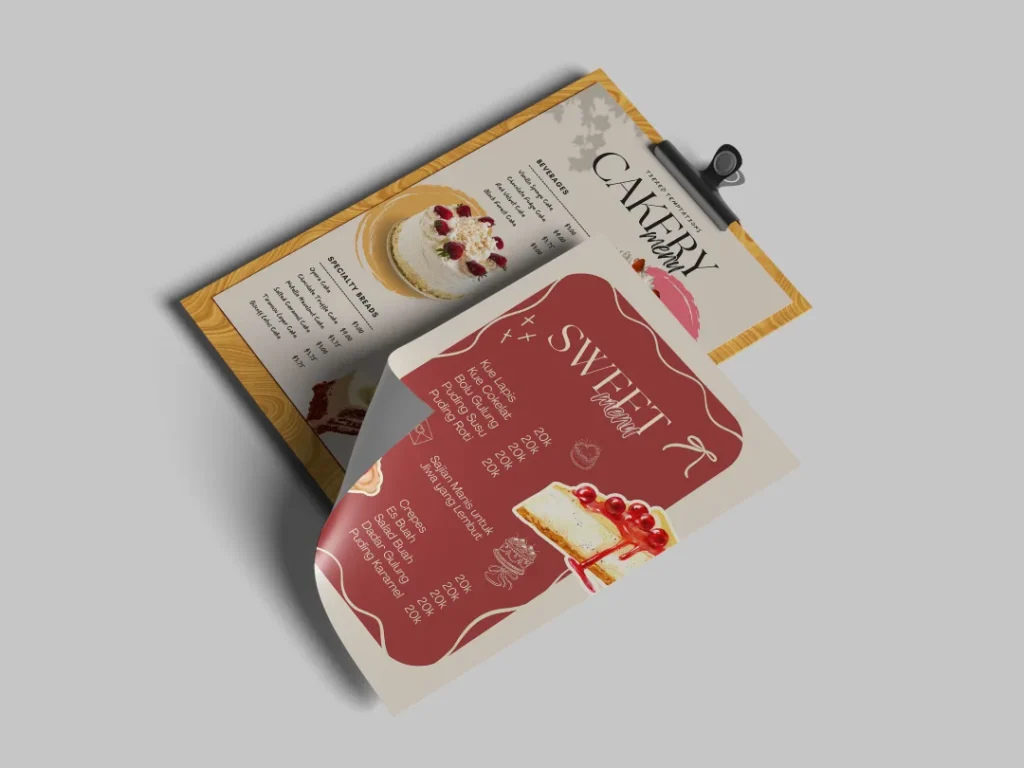
I’ll suggest you start by exploring menu design ideas that stand out. Also, keep a few best practices in mind, such as using good color contrast, choosing readable fonts, and organizing dishes into clear categories. You can also see my guide on how to design a menu that looks good and makes ordering easier.
11. T-shirt
T-shirts are my favorite type of marketing collateral. They're practical, easy to customize, and give your brand a chance to travel wherever people wear them. You can give them out for free, or if you pick a creative t-shirt design idea, you can even sell them as merchandise.
The key is to learn how to design a t-shirt people would actually want to wear.
B. Digital Marketing Collateral
Digital collateral includes assets that businesses create and distribute online. These are more useful for reaching a wider audience and directing people toward your website, products, or services.
12. Social Media Graphics
Social media graphics include everything from Instagram posts and Facebook ads to TikTok videos and LinkedIn carousels. All of these serve different purposes, such as building brand awareness, promoting products, driving engagement, educating your audience, or generating leads.
13. Emails
Emails are the digital equivalent of direct mail. You can send newsletters to people who subscribed to your company updates, promote special offers to your leads, or simply introduce your business to potential clients through cold outreach.
14. eBooks and Downloadable Guides
eBooks and downloadable guides are digital resources that share useful information on a particular topic. They can include how-to guides, industry reports, checklists, educational resources, or in-depth explanations of a subject your audience cares about.
I’d recommend using them to showcase your expertise and educate potential customers. For example, a nutritionist could create a free ebook on building balanced meals and developing healthier eating habits.
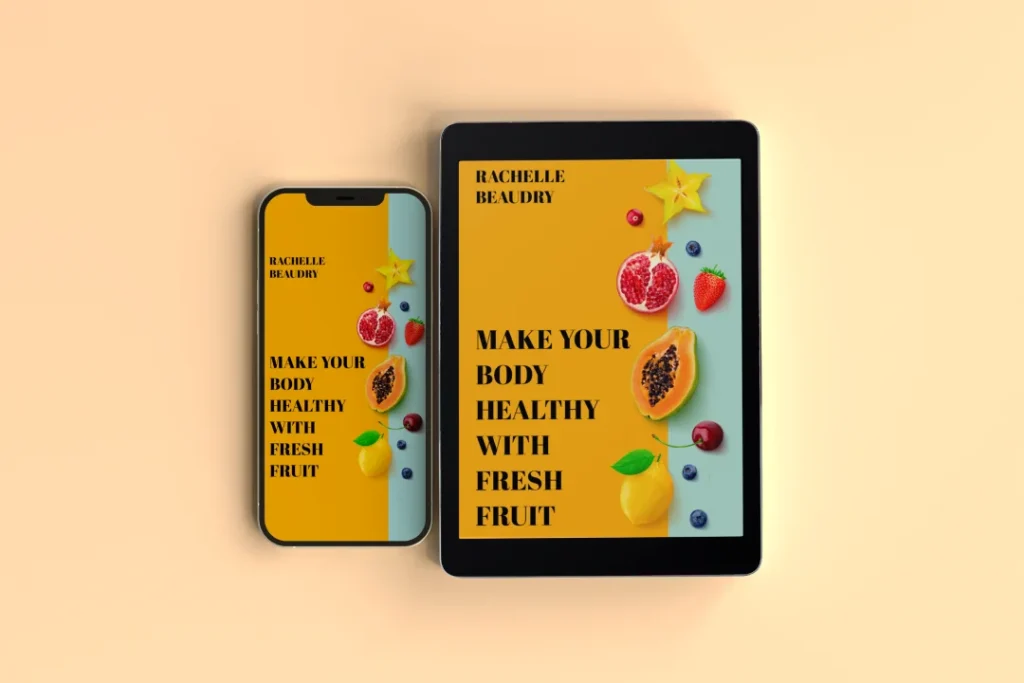
If you're creating one for your business, check out this article on how to design an ebook and how to design an ebook cover.
15. Pitch Deck
Pitch decks are another useful type of marketing collateral, especially for new businesses. You can use them to pitch your services to investors and stakeholders. But these can also be used with clients to better highlight your product and its USP.
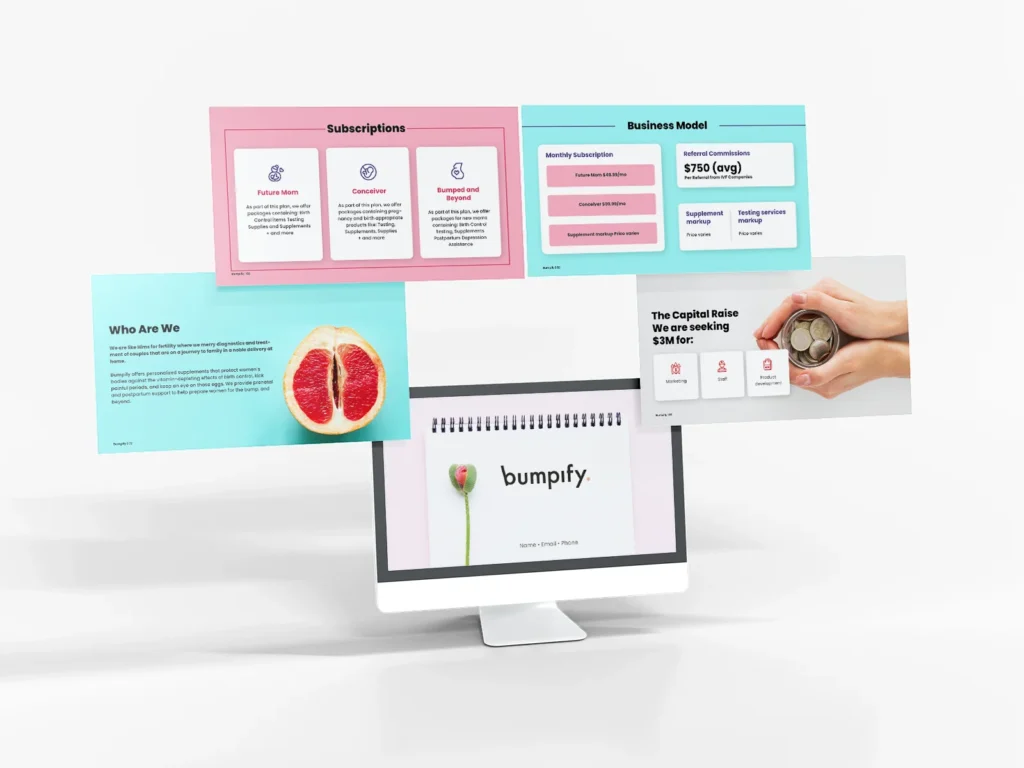
The content and design of your pitch deck will also vary depending on its purpose. If you need help getting started, check out my article on how to design a pitch deck.
16. Infographic
Infographics can work on their own, but I prefer using them as part of other marketing assets, such as blog posts and ebooks. They're a great way to break down complex information or explain a process in a more visual and engaging way.
The only hassle is actually creating them from scratch. It can be tricky to make detailed content look aesthetically pleasing without compromising readability. Therefore, you should take your time exploring different tools and learning how to design an infographic before getting started. I’d also tell you to see some great infographic examples for inspiration.
How to Choose the Right Marketing Collateral for Your Business
Do you need all 15 types of marketing collateral for your business? Yes and no… bear with me! These are the 3 things you should consider before deciding what to create:
1. Business Goals
Start by asking yourself what you want your marketing collateral to accomplish. Are you trying to build brand awareness, generate leads, promote a new product, or increase sales? Different goals call for different assets.
For example, if you're launching a new product, you might need product packaging and a brochure. If your goal is to attract potential clients, banners and social media graphics would be more useful.
2. Target Audience
Next, consider who you are trying to reach, and where they are most likely to encounter your brand. If you run a local business, printed flyers, posters, and banners would help you effectively attract people in your area. But if you're looking to reach them on a larger scale, you’ll need email newsletters and downloadable guides.
3. Budget and Resources
Creating marketing collateral samples takes time, effort, and sometimes a bit of money. So, before you start designing everything, think about what you can realistically manage.
Some of these are easier to create, like a letterhead, flyer, and even social media graphics. You can use free online tools and templates to get started. However, some others, like infographics and custom packaging, can be trickier. You can save them for later when you have the budget to invest in professional design.
Summing Up: Marketing Collaterals
Marketing collateral comes in many forms, and I tried to explain the most important ones as best I could. I've also linked additional resources wherever needed so you can learn how to design them yourself.
Of course, creating all these assets takes time, especially when you're juggling other aspects of running a business. The good thing is that you don’t have to do all this yourself. You can sign up with Digifloat and get unlimited graphic design for print and digital collateral – all for a fixed monthly price.




0 Comments