
Creating posts, trying to engage with other accounts, chasing trends… and still not seeing the growth? Then you need a social media manager.
Let me show you how to hire one without wasting time or burning your budget.
How to Hire a Social Media Manager
- Understand the Job Responsibilities
- Look for the Right Skill Sets
- Compare the Hiring Options
- Set Measurable Goals
1. Understand the Job Responsibilities
Here’s an accurate representation of what most people think social media managers do:

And here’s what social media managers actually do:
1.1 Curate content
One of the biggest and most time-consuming tasks for a manager is finding or creating standout content. Whether it’s original or curated, each social media post – be it an article, video, image, or infographic – needs to engage and deliver value.
1.2 Schedule posts
Once the content is ready, it’s time to post it. There is a specific time recommended for posting in order to get the most engagement. This time keeps changing.
And moreover, we don’t believe it is possible to have one right time for every business. Your social media manager will try to experiment with different times on different platforms to find the best time to post for your niche.
1.3 Manage your content calendar
Neither of the above tasks happens in one day. There is a weekly or monthly content calendar planned by your manager. This helps to plan and create content a little in advance to avoid last-minute panic.
1.4 Engage with your followers
The biggest function of social media is engagement. It gives you more visibility and allows you to humanize your brand.

Your manager regularly engages with your followers or your target audience by commenting, sharing, or answering questions about your brand.
1.5 Monitor the latest trends
The world of social media is like a whirlpool. Trends, hashtags, viral news, and best practices change every day. Keeping up with all this is the biggest challenge for a social media manager.
1.6 Review analytics
Your social media manager will keep an eye on how your posts perform. They will review how many likes, shares, retweets, or click-throughs you get with a post. This analysis helps optimize efforts and pinpoint the areas that need improvement.
1.7 Build a Social Media Strategy
Based on the above analysis, you’ll be able to draft a social media marketing strategy that will help you choose the right channels and figure out your content plan.
2. Look for the Right Skill Sets
Now that you know what a social media manager does, you might wonder if you can do this yourself.
There is nothing stopping you from running your own social media accounts. But before that, you’ll have to look into the skills needed to manage various social media platforms.
2.1 Copywriting
Some companies have separate copywriters to write posts and tweets. However, in most cases, the social media manager will be responsible for writing good content. This content needs to be engaging and captivating. It should convey the message in fewer and simpler words with no grammatical errors.
Also, there is a different content strategy for different channels. For example, Instagram captions can have up to 2,200 characters, but the most engaging length is between 138 and 150 characters.
2.2 Customer Service
More and more people have started using social media as a way to reach out to a brand.
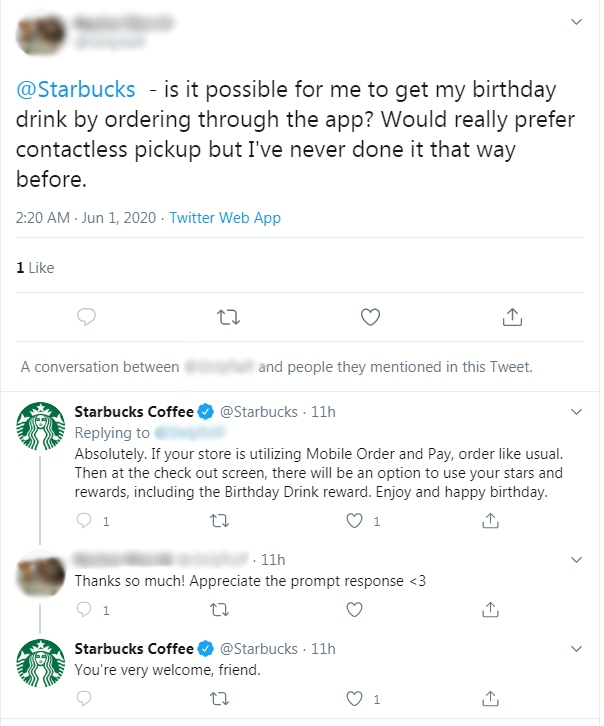
Your social media manager needs to be equipped to answer questions about your products and services. They may not be able to provide technical help, but they should have the basic conversational skills to handle crisis situations.
2.3 Designing
A great deal of social media marketing is in the visuals. Although it is not possible for a social media manager to know how to create complex designs and illustrations, they must know how to create simple social media graphics.
They should also have an understanding of what designs, sizes, and orientations work on different platforms.
2.4 Analytics and Reporting
Analysis helps to know if your marketing is working and what results it drives.
Broadly speaking, social media performance boils down to two key types of metrics. The first includes visible engagement – things like page likes, post likes, comments, shares, retweets, and more. Then the other is business metrics that include conversion analysis, ranging from traffic, leads, bounce rate, and sales made from social media.
Your managers will have to use tools like Facebook Analytics, Twitter Analytics, or Buffer to perform this analysis. They can then interpret the data to optimize campaigns and improve ROI.
2.5 Budgeting
Most companies assign a budget to social media for paid ads, management and analysis tools, images, or design tools.
When it comes to paid ads, this is where a skilled social media manager truly shines – they know how to spend wisely, choose the right platforms, and optimize every dollar.
Now, if you think you have these skills, you can go ahead and handle your social media accounts. If not, you’ll have to hire a social media manager.
Let’s see how you can do this...
3. Compare the Hiring Options
There are multiple routes you can take when it comes to hiring a social media manager. You can hire someone in-house to work as part of your team. You also have the option to hire a freelance social media manager.
Hiring agencies, however, is a new concept. However, keeping in mind the current business trends and goals, outsourcing to an agency has become an effective model for profitable business operations.
Below, I have laid out some pros and cons of in-house managers, freelancers, and agencies. You can use this comparison to decide how to hire a social media manager.
3.1 In-House Social Media Managers
Having a social media manager who works inside the office has many benefits. The manager will have a better understanding of the company culture and will be more in tune with your vision.
The biggest drawback of an in-house manager would be the cost. According to Glassdoor, the average base salary of a social media manager is ₹531K/yr, excluding the cost of perks, insurance, and benefits.
Pro:
- Better communication
- Total control over how they handle a task
- A better grasp of company culture
Cons:
- High cost
- Time-consuming hiring process
3.2 Freelance Social Media Manager
Freelancers are the most affordable route to hire a social media manager. You can easily find the right person on sites like Upwork and Fiverr. They are ready to work in a long-term partnership or on a per-hour basis.
If you are confused about which freelancing platform to choose, read my comparison article on Upwork vs Fiverr.
The problem with freelancers is that they work on multiple projects at the same time. This can be good for you as they will have a wider knowledge of the subject. But it can also be a con as they won’t be dedicated to your needs 100% of the time.
Also, since they don’t work on-site, communication can be a hassle.
Pros:
- Inexpensive
- No training required
- Bigger talent pool to choose from
Cons:
- Divided attention
- Communication gap
3.3 Hiring a Social Media Marketing Agency
Social media agencies are constantly evolving to adapt to current marketing trends. They are focused on hiring only the top-tier talent to ensure quality services. Also, outsourcing to an agency reduces overhead expenses by 10-15%. On average, an agency charges anywhere from $150 to $400 per month to manage your social media presence.
Pros:
- Saves time by eliminating the hiring process
- Saves resources like employee benefits
- Available on a flat monthly cost
- Expert quality
- 24x7 support
Cons:
- Agencies don’t have familiarity with your brand
- Less management and control from your end
4. Set Measurable Goals
Social media managers have a way of analyzing which campaigns are working and which ones need to be improved. Along with them, you’ll also have to measure the success of your social media marketing. This will help you ensure whether or not you are getting the returns you wanted.
Now, most company owners who don’t have adequate knowledge think that the success of any campaign depends on page and post likes.
Well, sometimes it does, but not always.
For instance, if you have an eCommerce company and your goal is to make sales, your post likes aren’t going to do anything for you. You need conversion. However, if you have a YouTube channel and your goal is to go viral, your post likes and shares are everything.
You’ll have to measure the success of your marketing by defining your goals.
Here are 4 most common KPIs to get started on tracking your own social media campaigns:
4.1 Reach
The reach of your post will tell you how many people have seen your content. It measures how far your content spreads.
Reach can be of 3 types: Organic, which includes the number of people who see your content without paid distribution; Viral shows how many people have seen your content as a result of social sharing; Paid shows the number of people who saw your content through a promoted post.
You can see this metric in the Facebook Insights tool under ‘Reach’ and in Twitter Insights under ‘Impressions’.
Your organic reach will depend on how you optimize your content. So if this is low, your post content and designs need twerking.
Paid reach completely depends on your audience targeting. If this is low, that means you are not creating the right custom audience for your ads.
4.2 Engagement
Once your content reaches the audience, it's time to see how they engage with it.
This is an important KPI as it measures how people are interacting with your brand across all social networks.
Engagement can be measured in various terms such as likes and shares, comments, retweets, followers gained, brand mentions, and tags. It mostly depends on how engaging your content is and how creatively you resonate with your audience.
Also, the more engagement, the more viral reach.
4.3 Referral Traffic
For most website owners, the primary goal is to drive traffic from social media channels. You can measure this traffic easily in Google Analytics under Referral Traffic.
You can also analyze how the traffic performs once it arrives at your website. This can be done by measuring the bounce rate, page views, duration, and pages visited per session.
The amount of traffic will depend on how well you use a call to action in your content. However, a high bounce rate and low page duration might point towards a badly optimized web page.
4.4 Revenue
Many marketers focus on conversions and revenue-related metrics. However, only when you find the right audience and keep them engaged will you be able to sell them your product or service.
Selling will be the last and the ultimate measure of your social media marketing success.
Conclusion: How to Hire a Social Media Manager
Social media presence is becoming a must for every modern business. Managing your account yourself might seem simple at first, but it will exhaust you in the long run. A wiser option is to invest in and hire a social media manager.
We hope this guide has helped you understand what to look for during the entire hiring process. If you still have any questions or need advice, feel free to leave a comment below. We'd be happy to help.




Hiring the right social media manager can be a challenge, but it is very rewarding in the long run.